
Tides
-
-
-
-
-
How do tides work ?
-
Let's take a look at the definition and explination of the didal phenomenon :
With the combined action of the gravitational forces of the Moon and the Sun, the waters of the seas and oceans of the Earth are set in motion like a giant wave.
This movement results in the daily rise and a fall of the sea level at the same place : the ascending movement is called the flow, the downward movement is called the ebb.
The tide occurs with more or less amplitude: it is called a tidal coefficient.
Tidal timetables in La Trinité sur Mer
Fancy a swim at high tide or enjoy the low tide to go rock-pool fishing? Here, you can find the daily, tidal timetable from Carnac to La Trinité sur Mer :
-
-
-
-
-
-
-
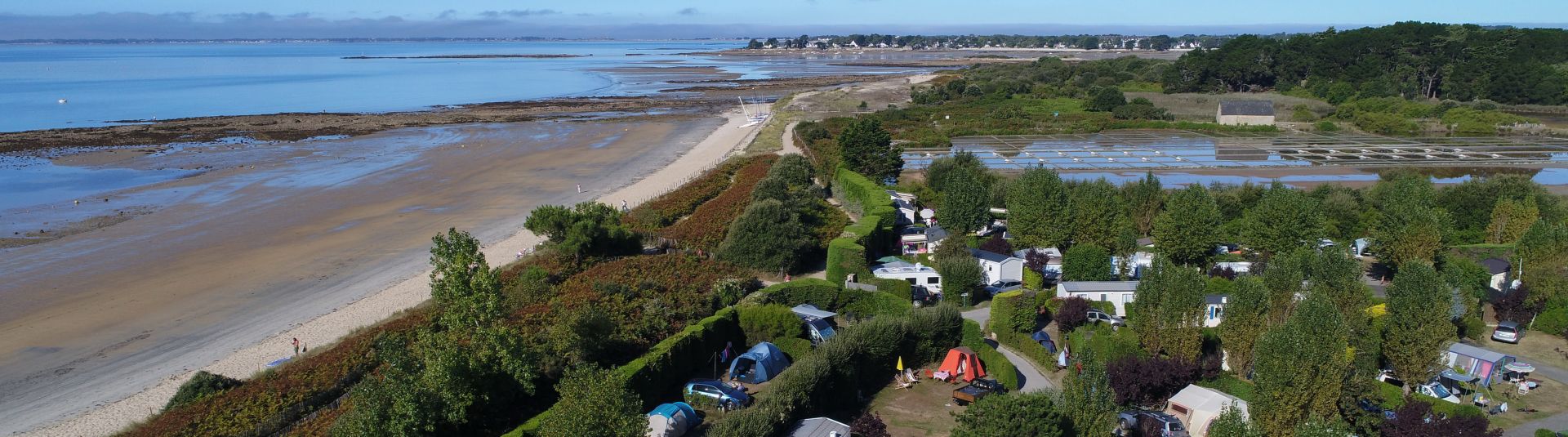
With direct access to Kervillen beach, your holiday life follows the tides
-
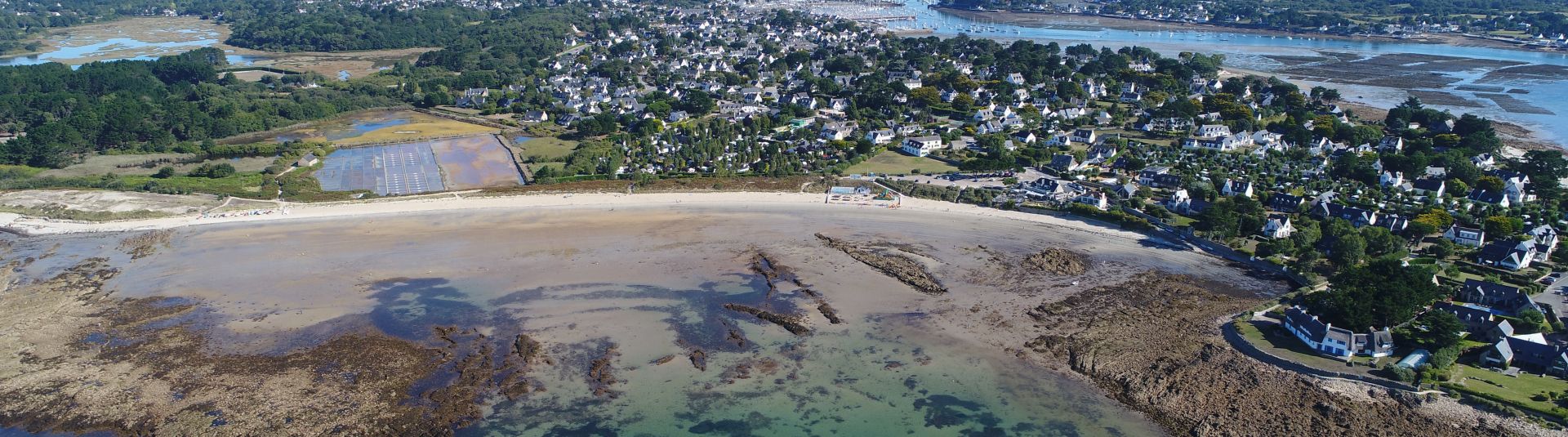
At low tide, the sea uncovers an area of ??the coast called the foreshore. It is on this sandy, muddy or rocky area that we find shellfish and crustaceans: clams, cockles, solen shells, oysters, mussels, winkles, crabs...
At low tide
Kervillen Beach and Men Du Beach are ideal for rock-pool fishing at low tide. After checking the tidal timetables, take advantage of the proximity of these beaches to plan a rock-pool fishing session : you will enjoy tasting the products of your fishing during a meal or an aperitif ! To preserve this fragile environment, it is necessary to be aware of existing regulations and to practice reasonable fishing!
At high tide
At high tide, swimming is most enjoyable at Kervillen beach and presents no danger for infants. At both ends of the beach, areas are reserved for sailing and windsurfing. Everyone can safely enjoy the high tide.
-
-
-
-
-
-
-
Spring Tides in la Trinité sur Mer
-
The tidal coefficient is expressed in hundredths and varies from 20 to 120, it indicates the strength of the tide.
The average coefficient is 70. When the coefficient is at least 100, the tide is called a spring tide.
Spring tides are highly anticipated by rock-pool fishing enthusiasts because these are moments where the foreshore is uncovered much more than usual.
Check out the next spring tides and come and enjoy a stay in our seaside campsite!
-
-
-
-


